
Is It Psoriasis or Dermatitis? How to Tell What’s Causing Itchy, Flaky Skin
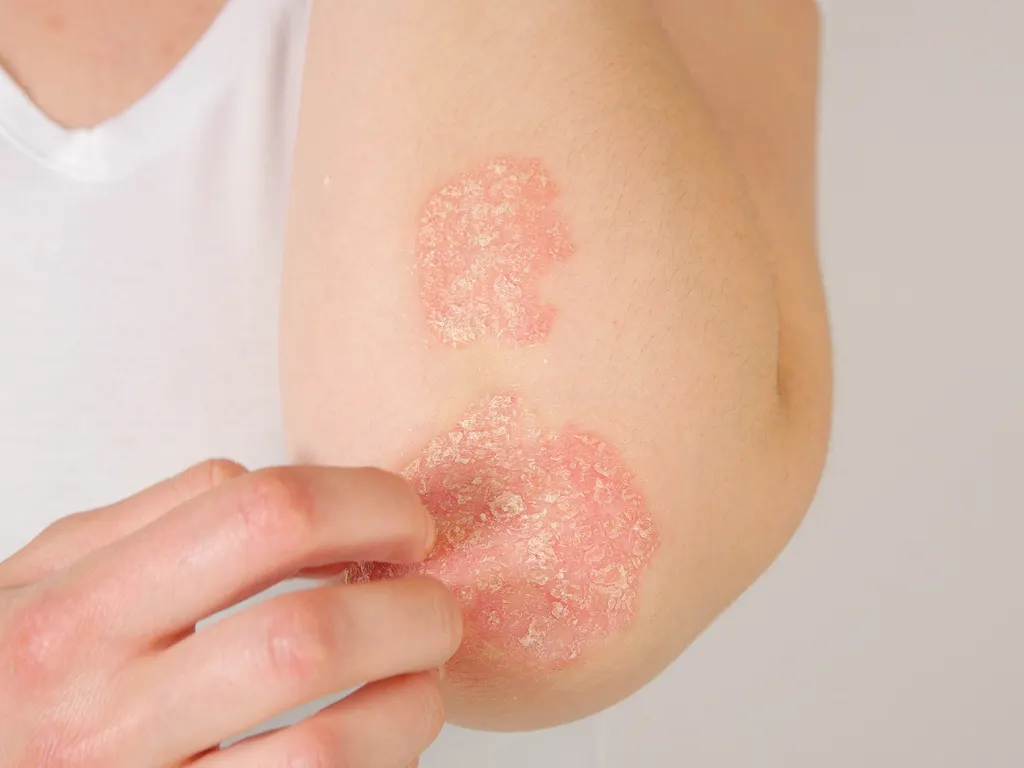
Psoriasis and dermatitis can both leave your skin itchy, dry, and flaky, but they do not always follow the same pattern. Brigitte Sallee, MD, a double board-certified dermatologist and Mohs micrographic surgeon with a published research background, leads care at Dermatology Specialists of Dallas, where patients can receive dermatitis treatment in Dallas, Texas. During an evaluation, Dr. Sallee considers the texture, location, timing, and possible triggers behind your symptoms.
Signs That Point Toward Psoriasis
Plaque psoriasis usually forms thick, raised areas with distinct edges. Dry, silvery-white or gray scale may cover the surface, and these patches often develop on the scalp, elbows, knees, or lower back. They can itch, burn, feel sore, or crack.
Psoriasis may also affect your nails. Pitting, thickening, discoloration, crumbling, or separation from the nail bed can be helpful clues that the condition involves more than the visible patches.
How Dermatitis Often Looks and Feels
Dermatitis is an umbrella term for several inflammatory conditions. The different types of dermatitis include contact, atopic, and seborrheic dermatitis. Atopic eczema often causes recurring dryness and intense itching, while contact dermatitis may appear after exposure to fragrances, detergents, nickel, latex, plants, or another irritant or allergen.
Instead of forming a sharply bordered plaque, dermatitis often looks more unevenly irritated. Depending on the type, you may notice swelling, cracks, raw areas, small blisters, oozing, or crusting. Atopic dermatitis frequently develops around the bends of the elbows or knees, while contact dermatitis may follow the shape of whatever touched the area.
Clues You Can Look For
Several details may help you describe the problem to your dermatologist:
- Texture and borders: Psoriasis plaques are often thicker and more clearly defined. Dermatitis may look more diffuse, raw, or inflamed.
- Degree of itching: Both conditions itch, but atopic dermatitis is often intensely itchy.
- Location: Psoriasis frequently affects the scalp, knees, elbows, and lower back. Atopic dermatitis often appears in skin folds.
- Trigger pattern: A reaction that began after using a new product or touching a particular material may suggest contact dermatitis.
These differences are useful observations, but no single symptom confirms the diagnosis.
Why Skin Tone Matters
Inflammation does not always look bright red. On darker complexions, psoriasis may appear violet, gray, or dark brown, while atopic dermatitis can look brown, purple, or grayish. Texture, scale, itching, and the location of the affected area may reveal more than color alone.
Because psoriasis and dermatitis sometimes overlap, an in-person exam may be needed to tell them apart. A dermatologist may examine your scalp and nails, discuss recent exposures and family history, or recommend testing such as a biopsy or patch test when the cause remains uncertain.
Seek medical dermatology care when the irritation is spreading, painful, oozing, disrupting your sleep, or failing to improve. Before adding several products to an inflamed area, ask which skin care for dry or sensitive skin is appropriate for your condition.
Get Answers About Persistent Itching in Dallas
When itching and scaling keep returning, identifying the condition can help prevent further irritation and guide the right course of care. Contact us or call 214-828-0016 to request an appointment with Dermatology Specialists of Dallas in Dallas, TX.
GET IN TOUCH
Contact Us Today
-
Dermatology Specialists of Dallas
3600 Gaston Ave, Barnett Tower, Suite 901, Dallas, TX 75246Mon - Fri: 8:00am - 4:30pm
Book Now at Dermatology Specialists of Dallas
Weekends: Closed
The form is loading. If it does not appear, call 214-828-0016.